Why Dubbed Ads Feel Off, and What Fixes Them
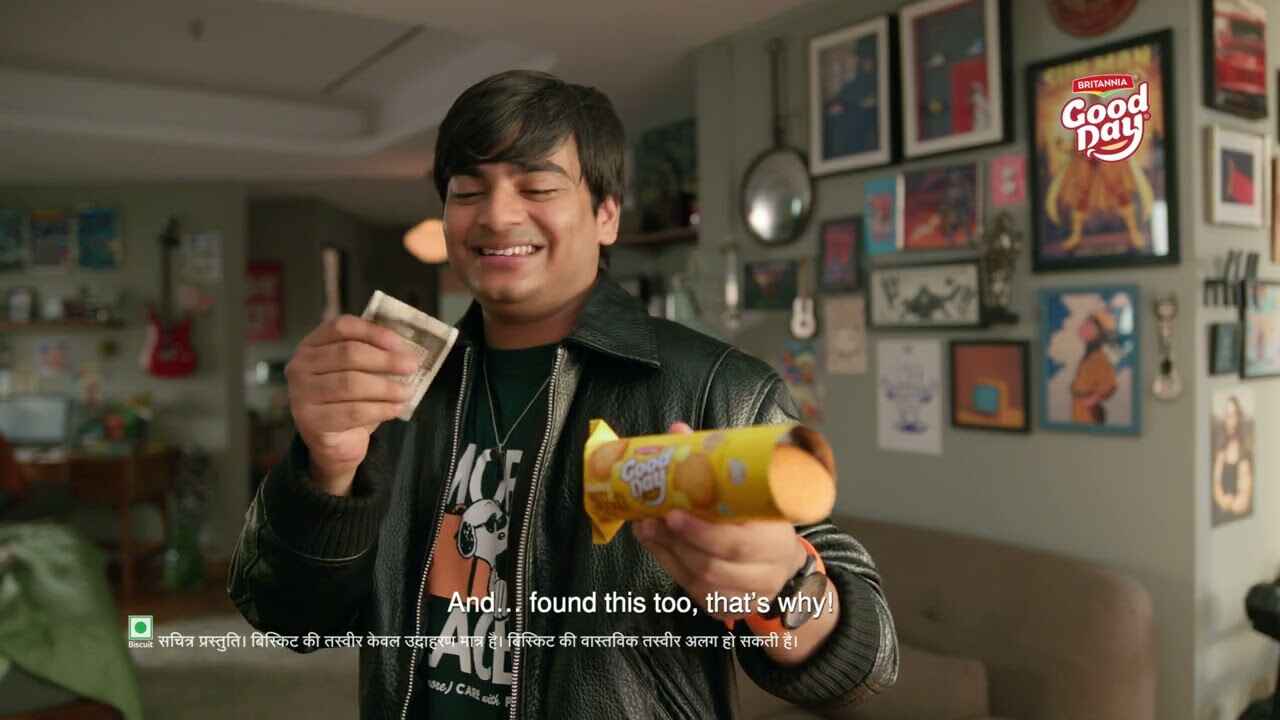
Show anyone a dubbed ad and they will clock it within seconds, usually without being able to say why. The discomfort is real and it is measurable in how quickly thumbs scroll past. It comes from four specific mismatches, each one detectable by systems in the human brain that evolved to read faces and voices together. Name the four, and you know exactly what separates a dub audiences tolerate from a version they never question.
The four tells
- The mouth disagrees with the sound. Humans lip-read constantly without knowing it; speech perception fuses what we hear with what we see, which is why a mismatched mouth does not merely look wrong, it makes the audio itself feel wrong. This is the tell that no amount of good voice acting can fix, because it lives in the picture.
- The voice does not belong to the face. We are exquisitely good at judging what a voice should sound like from a face, its age, its weight, its resonance. A generic dub voice on a familiar face registers as a stranger in the room, and on a celebrity face it registers instantly.
- The timing is translated, not performed. Languages breathe differently. Dialogue translated to fit the original timing sounds rushed or padded, and emotional beats land a half-second from where the face says they should. Comedy dies here first.
- The words were never meant for this language. Word-for-word translation preserves information and loses intent. Idiom, register and rhythm all read as slightly foreign, the way a photocopied signature is technically accurate and obviously wrong.
What fixes each one
Each tell has a specific fix, and modern visual dubbing is the four fixes composed together. The mouth gets re-animated frame by frame against the new dialogue, so the picture agrees with the sound; that is the core of Lipsmatch. The voice stays the original speaker's through consented voice cloning, so the face keeps its owner. The timing comes from a native voice actor performing the adapted script to the picture, so beats land where the face puts them. And the words come from native adaptation writers, so each language hears the line it would have written itself.
Remove all four tells and something interesting happens: there is nothing left for the viewer to detect. The NutriChoice case study shows this in flip-test form, the original Hindi against our Tamil on the same close-up, and the honest test is that most viewers cannot reliably say which is which.
Why this matters commercially
The four tells are the reason dubbed ads historically underperformed native creative, and the reason brands accepted the cost of separate regional shoots or settled for subtitles, trade-offs mapped in Lipsmatch vs subtitles and Lipsmatch vs traditional dubbing. A version with no tells changes the arithmetic: one film, natively believable in every market it airs in, at a fraction of a shoot per market. If you want to check your own ads against the four tells, watch any dubbed version next to its original with the sound on, or send us a film and see the fixed version instead.