Orchestrating Multi-Agent Systems for Content Creation
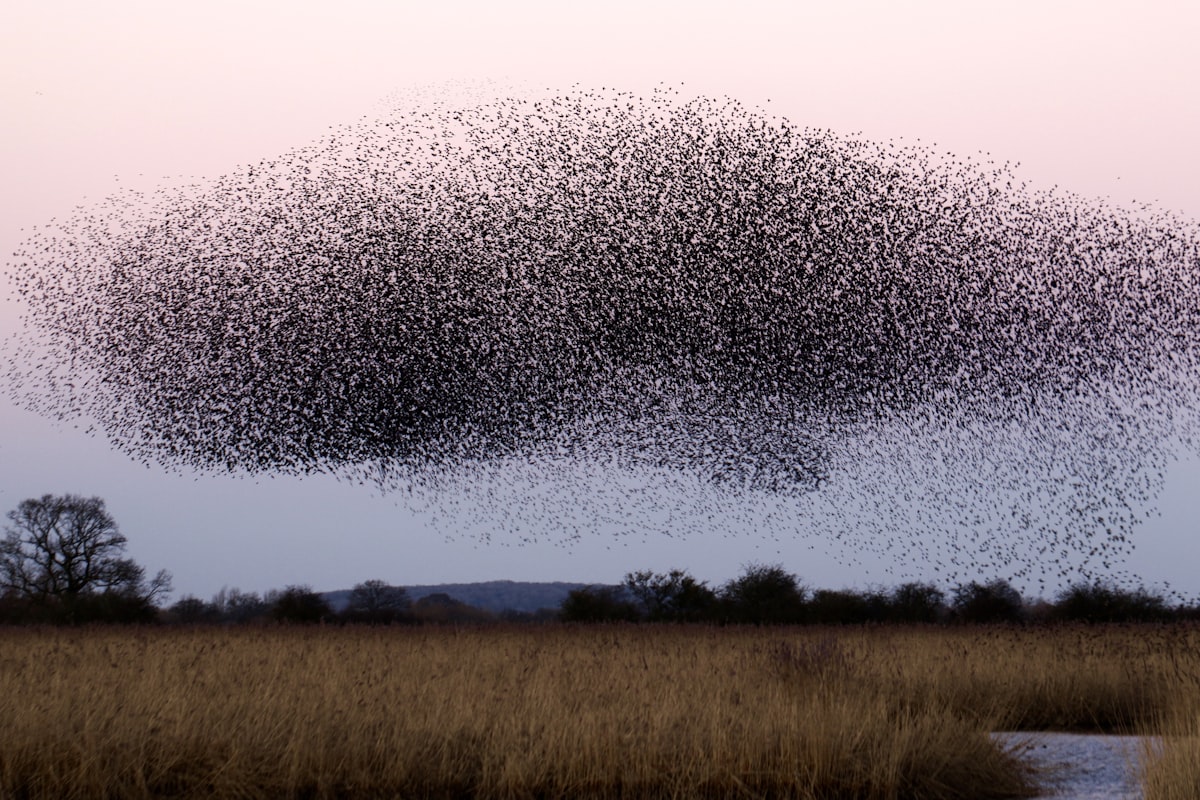
A single AI model handling a complex creative brief tends to lose the thread. Multi-agent systems divide the work among specialised agents that plan, generate and review, which produces more reliable results on tasks too large for one pass.
Table of contents:
Why one model is not enough
Ask a single model to plan a campaign, write the copy, design the visuals and check the result, and quality slips as the task grows. Complex work benefits from division of labour, and multi-agent systems apply that idea to AI. Several agents, each focused on a narrower role, collaborate on a larger goal, so no single step carries more than it can handle well. The structure mirrors how a human team actually operates.
The gain is both quality and reliability. A focused agent does its part better, and a system that separates planning from execution from review catches mistakes that a single pass would ship. Splitting the work also makes the system easier to debug, because a failure can be traced to the agent responsible rather than lost in one long generation.
Specialised roles
The power comes from specialisation. A planning agent breaks a brief into steps, generation agents produce copy, imagery or code, and a review agent checks the output against the requirements. A coordinator routes work between them and decides when the goal is met. Each agent can use the tools and prompts suited to its narrow job, which raises the quality of every step.
This mirrors a production team, where a director, specialists and an editor each contribute a different skill. Structuring an AI system the same way makes its behaviour easier to understand, guide and improve.
Orchestration and communication
The hard part is coordination. Agents need to pass work to each other, share context, and converge on a result without looping endlessly or drifting off task. An orchestration layer manages this, defining how agents hand off, how their outputs combine, and when the process stops. Clear structure here is what separates a reliable system from an unpredictable one.
Well-defined interfaces between agents keep the system maintainable. Each agent has a clear input and output, so one can be improved or replaced without disturbing the rest, much like well-designed services in any software system.
Tools, memory and grounding
Agents become far more capable when they can use tools and reference real information. An agent that can search a knowledge base, call an API, or retrieve relevant assets grounds its work in fact rather than guesswork. Shared memory lets the system carry context across steps, so a decision made early informs the work that follows. This grounding is what keeps a long, multi-step task coherent.
Retrieval is central to this. Giving agents access to the right material at the right moment, often through a vector database, keeps their output accurate and on-brief across a complex job.
Keeping humans in control
Autonomy is useful only within boundaries. A well-designed multi-agent system keeps a human in the loop at the points that matter, presenting drafts for approval, flagging uncertainty, and stopping for a decision rather than pressing ahead. This keeps quality and accountability with people while the agents handle the volume of routine work in between.
Guardrails matter as much as capability. Limiting what agents can do, validating their outputs, and logging their decisions keep the system safe and understandable, which is essential before it touches anything a client will see.
A multi-agent design checklist
Building a dependable multi-agent system rewards a clear structure. The checklist below captures the choices that most affect whether it works in practice.
- Give each agent a single, well-defined role.
- Add a coordinator to route work and decide when the goal is met.
- Define clear interfaces so agents can be improved independently.
- Ground agents with tools, retrieval and shared memory.
- Keep a human in the loop at the decisions that matter.
- Add guardrails, output validation and logging throughout.
- Trace failures to the responsible agent rather than one long run.
Together these choices turn a collection of models into a system that handles large creative and technical tasks reliably, with people firmly in control of the outcome.
Many focused minds, one coherent result
Multi-agent systems bring division of labour to AI, pairing specialised agents with orchestration, grounding and human oversight to handle work too large for a single model. The result is more reliable output on complex tasks, produced at a scale one pass cannot reach. For a studio, that means taking on briefs a single model could never hold together from start to finish.
We design and build AI systems like this for production use. Explore our AI production services, or start a project.