The Future of Interactive Storytelling using AI
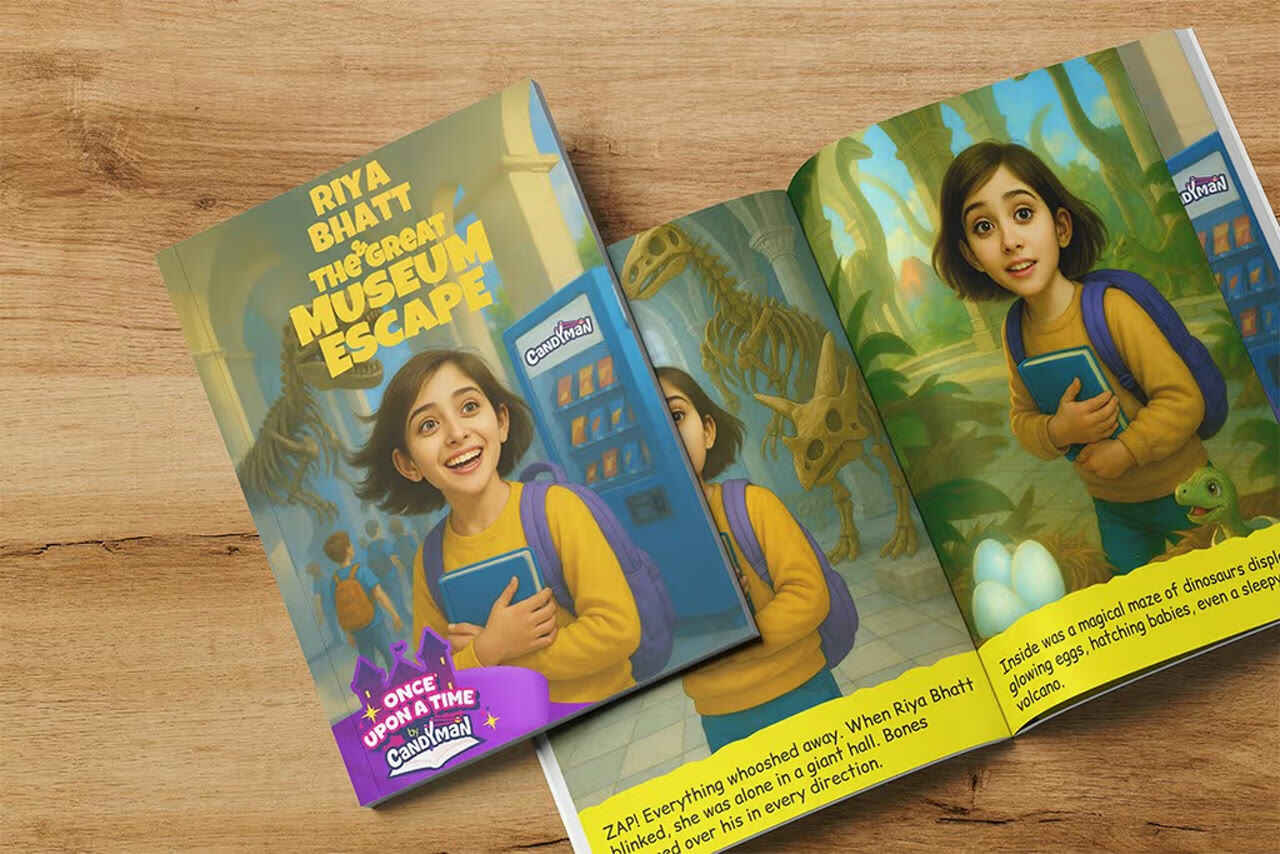
Interactive storytelling lets an audience shape a narrative rather than simply watch it. Generative AI is expanding what is possible, from branching brand experiences to personalised films, and it is opening a creative space that brands are only beginning to explore.
Table of contents:
From linear to interactive
A traditional film runs the same way for every viewer. An interactive story responds to choices, attention or context, so the experience differs from one person to the next. This has existed in games and in a handful of ambitious films for years, and generative AI now lowers the cost of producing the many branches an interactive narrative needs, which makes the form practical for brand and marketing work.
The appeal for a brand is engagement. A viewer who makes choices is an active participant rather than a passive spectator, and that involvement deepens attention and recall in a way a linear ad struggles to match. That difference shows up in completion rates and recall, which is why brands are willing to invest in the format even while it is still novel.
How generative AI changes the economics
The historical barrier to interactive storytelling was production cost. Every branch is more footage to shoot, edit and finish, and the combinations multiply quickly. Generative video, voice and imagery change that maths by producing variations from a consistent base without a reshoot for each one. A character can address a viewer by context, a setting can shift, and a storyline can adapt, all generated rather than filmed separately.
This turns a prohibitively expensive format into a feasible one. A campaign can offer genuine branching or personalisation within a realistic budget, which is what moves interactive storytelling from showcase to usable tool.
Personalisation done tastefully
Personalised storytelling adapts a narrative to the individual viewer, using context such as location, language or a chosen interest to tailor the film. Done well, it feels like the story was made for that person. Done clumsily, it feels intrusive. The line is respect: use only data the viewer has willingly shared, keep the adaptation meaningful rather than gimmicky, and be transparent about what is happening.
Language is one of the most natural axes for personalisation, and our multilingual capabilities let a single story greet each viewer in their own language with a consistent voice, which turns personalisation into genuine inclusion.
Designing a branching narrative
An interactive story is as much a design problem as a production one. The writer maps the decision points, the consequences and the paths back together, keeping the branches meaningful without letting the tree explode beyond what can be produced and tested. A clear structure, where choices matter but converge sensibly, keeps the experience coherent and the production tractable.
Pacing and clarity carry extra weight when the audience holds the controls. Choices must be obvious, feedback immediate, and each path satisfying, so the interactivity enhances the story rather than interrupting it.
Delivery and measurement
Interactive stories run on the web, in apps and across connected screens, and delivering them smoothly means streaming the right branch instantly as the viewer chooses. Preloading likely paths and generating or assembling content just in time keep the experience seamless. Because every choice is a signal, these formats also produce rich engagement data about what audiences respond to.
That measurement is a creative asset as well as an analytics one. Seeing which paths viewers choose informs the next story, so an interactive campaign teaches the brand about its audience while it entertains them.
An interactive storytelling checklist
Bringing an interactive story to life rewards planning across craft and technology. The checklist below captures the decisions that most shape whether it lands.
- Map decision points and paths before any production begins.
- Keep branches meaningful and the tree small enough to finish well.
- Generate variations from a consistent base to control cost.
- Personalise only on data the viewer has willingly shared.
- Make choices clear and feedback immediate for the audience.
- Preload likely paths so the experience never stalls.
- Instrument choices to learn what resonates.
Held together, these steps let a brand offer a story the audience helps to tell, at a scale and cost that generative tools now make realistic.
Stories the audience helps tell
Interactive storytelling turns viewers into participants, and generative AI finally makes the format affordable at brand scale. The craft lies in meaningful choices, tasteful personalisation and seamless delivery, with technology serving the narrative throughout. The payoff is a campaign audiences remember because they helped shape it, and the engagement data it produces feeds the next idea.
We produce interactive and AI-driven films end to end. Explore our AI film and production services, or start a project.