Generative Audio: State of the Art in Music AI
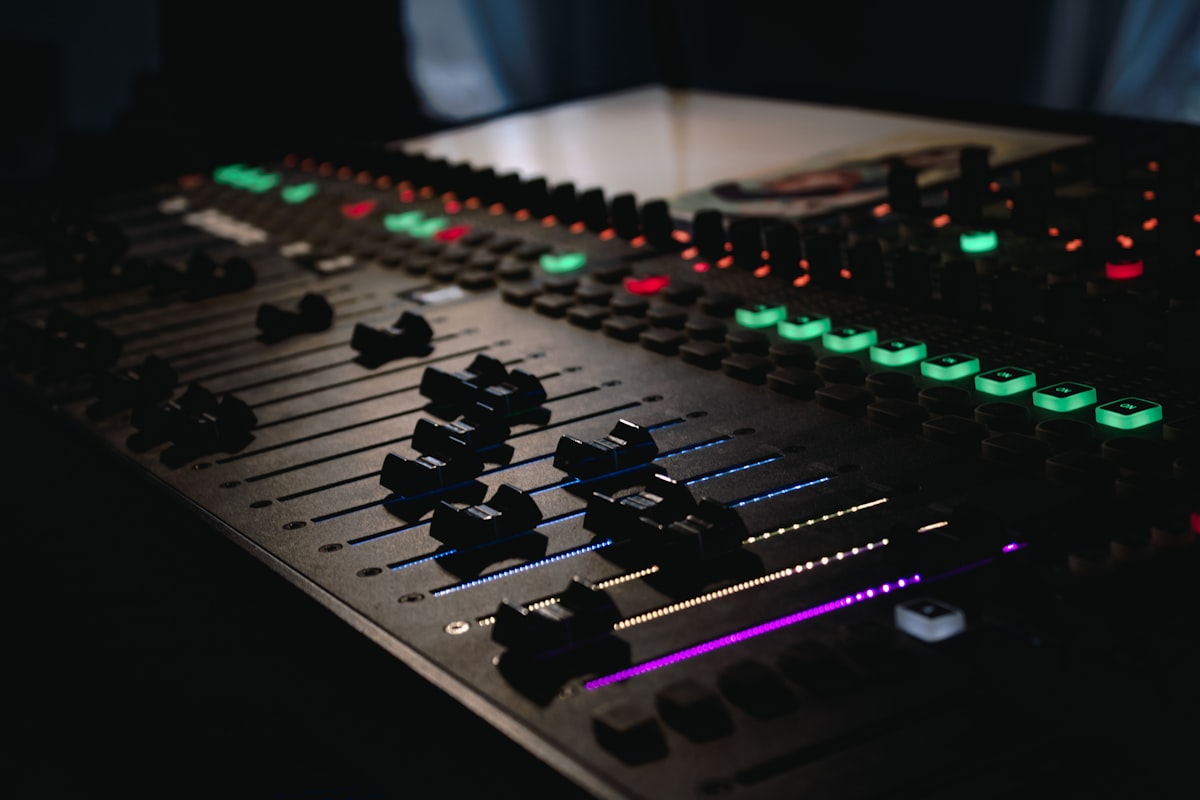
Generative audio has grown from a research curiosity into a practical creative tool, able to compose music, synthesise realistic sound, and transform recordings. Understanding what the current models do well, and where they still need a human hand, is the key to using them in real production.
Table of contents:
The state of the art
Modern generative audio spans several distinct tasks. Some models compose original music from a text prompt or a short motif. Others synthesise speech and singing with convincing realism. A third group transforms existing audio, changing an instrument, separating stems, or restoring a damaged recording. Each task uses different techniques, and the field has matured to the point where the output is genuinely useful in commercial work.
The common thread is that these systems learn the statistical structure of sound from large datasets, then generate new audio that fits that structure. The quality now clears the bar for background scores, sound design elements and rapid prototyping, with human refinement for anything front and centre. That maturity is why studios now budget for generative audio as a normal part of production rather than an experiment.
How music generation works
Music generation models learn patterns of melody, harmony, rhythm and timbre from large catalogues of audio, then produce new pieces that follow those patterns. Some operate directly on the audio waveform, while others work in a compressed representation and decode to audio at the end, which is more efficient. Conditioning the model on a text description, a tempo or a reference clip gives a creator control over the result.
The practical strength today is speed and variation. A composer can generate many options in the style they need, then select and refine, which compresses the early exploration phase of scoring a project from days into hours.
Speech, singing and voice
Neural text-to-speech now produces narration natural enough for broadcast, and singing synthesis can generate vocal lines from a melody and lyrics. These capabilities connect directly to multilingual production, where a familiar voice can be carried into new languages. As with any voice work, we treat consent and rights as a firm requirement before cloning or synthesising a real person's voice.
The remaining gap is sustained emotional performance. For a hero vocal or a lead narration, a human performer still brings a nuance that synthesis approximates rather than matches, so the strongest results pair the two.
Sound design and restoration
Beyond music and voice, generative models are reshaping sound design. They can synthesise effects, generate ambiences, and fill a soundscape that would once have required a library search or a field recording. On the restoration side, models separate a mix into stems, remove noise, and reconstruct missing detail, which rescues archival audio and gives editors far more flexibility.
These tools slot into an existing audio pipeline as new stations. An engineer still mixes, balances and masters the result to a professional standard, with the models handling the generation and cleanup steps.
Using generative audio responsibly
The same power that makes generative audio useful raises questions of rights and authenticity. Training data provenance, the rights to a cloned voice, and clear disclosure where it matters are all part of using the technology well. We watermark generated content where appropriate and keep a human accountable for what ships, which protects both the audience and the brand.
Handled with that care, generative audio expands what a small team can produce without cutting corners on ethics. The goal is to widen creative possibility while keeping trust intact.
A generative audio production checklist
Bringing these tools into real projects works best with a little discipline. The checklist below keeps quality and rights under control while capturing the speed the models offer.
- Match the model to the task, whether music, speech, effects or restoration.
- Condition generation on clear references for tempo, style or timbre.
- Confirm rights and consent for any real voice you clone or synthesise.
- Keep a human performer for hero vocals and lead narration.
- Mix and master generated audio to the same standard as recorded audio.
- Watermark and disclose AI-generated content where appropriate.
Followed consistently, these steps let a team treat generative audio as a dependable part of the toolkit, fast where speed helps and refined where the ear demands it.
A new instrument in the studio
Generative audio is most powerful as an instrument in skilled hands. It accelerates composition, opens new sound design, and rescues difficult recordings, while human judgement shapes the final result. Used with care for rights and quality, it meaningfully expands what production can achieve.
Audio and media are core to the platforms we build. Explore our music streaming platform development, or start a project.